Climate Action Package (CAP)

Capacity-building programmes to support climate action efforts in developing countries

Charis_cheng@mfa.gov.sg, mfa_scp@mfa.gov.sg

Challenges

Sustainability and climate transition have become one of the greatest existential challenges facing countries today. We are witnessing the impact of climate change in different parts of the world. It is a complex challenge that requires collective global action and a multifaceted response. However, many developing countries lack sufficient capacity to deal with many of the challenges brought about by climate change. The importance of capacity building for developing countries to effectively address climate change is recognized in various international agreements and documents, including the Paris Agreement and the SAMOA Pathway.

The consequences of climate change are far reaching and affect all countries. They include more frequent extreme weather events, food shortages, forced migration and the emergence of new diseases. Like many Small Island Developing States (SIDS), Singapore is especially vulnerable to the effects of climate change, in particular, rising sea levels and surface temperatures.

Toward a Solution

The Government of Singapore strongly believes in the value of capacity building as the best means for fellow developing countries to help each other. The sharing of experiences and best practices has a multiplier effect by allowing participants to learn, adapt and impart knowledge to other policymakers and practitioners with their own countries over the long term.

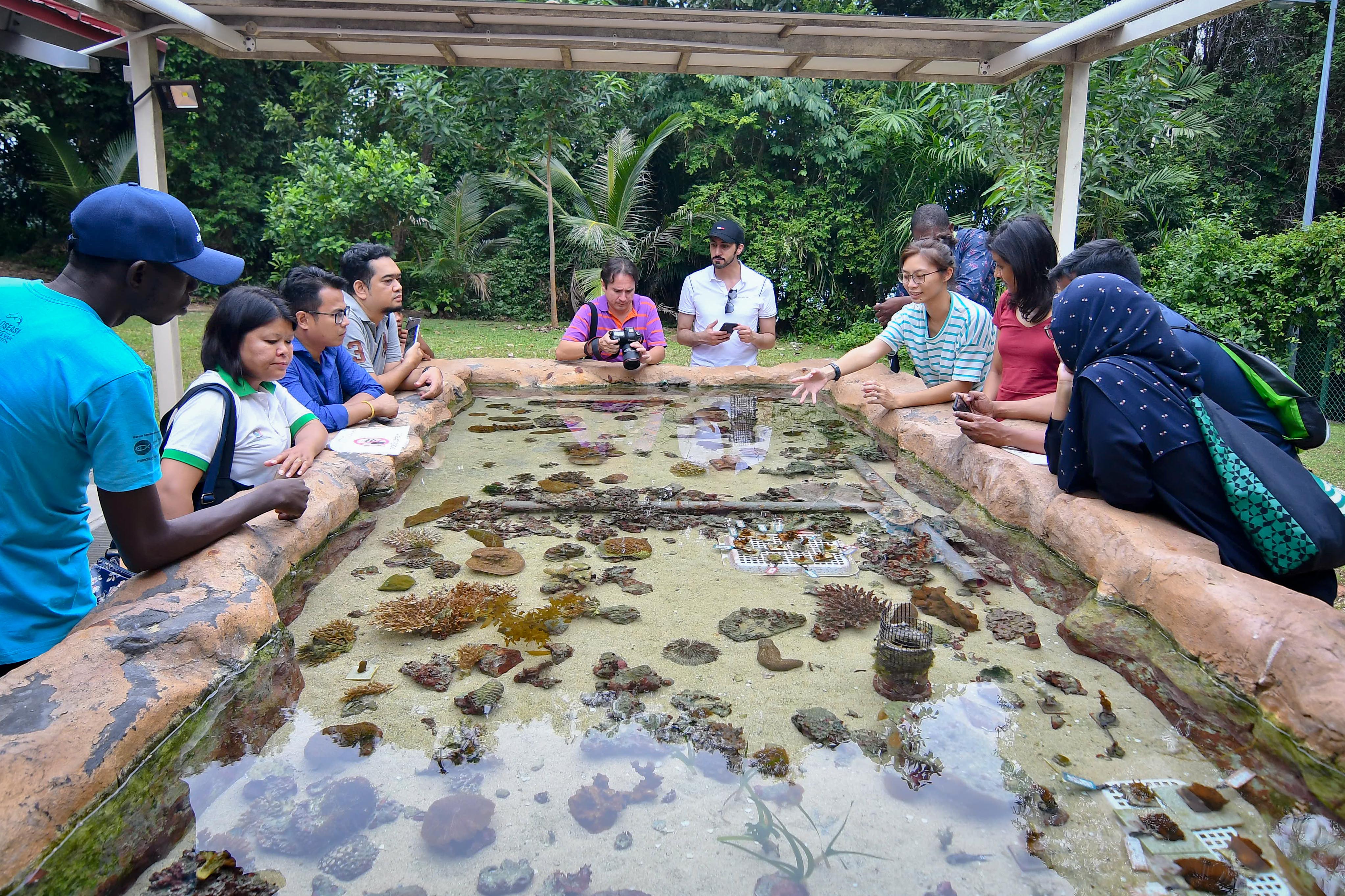
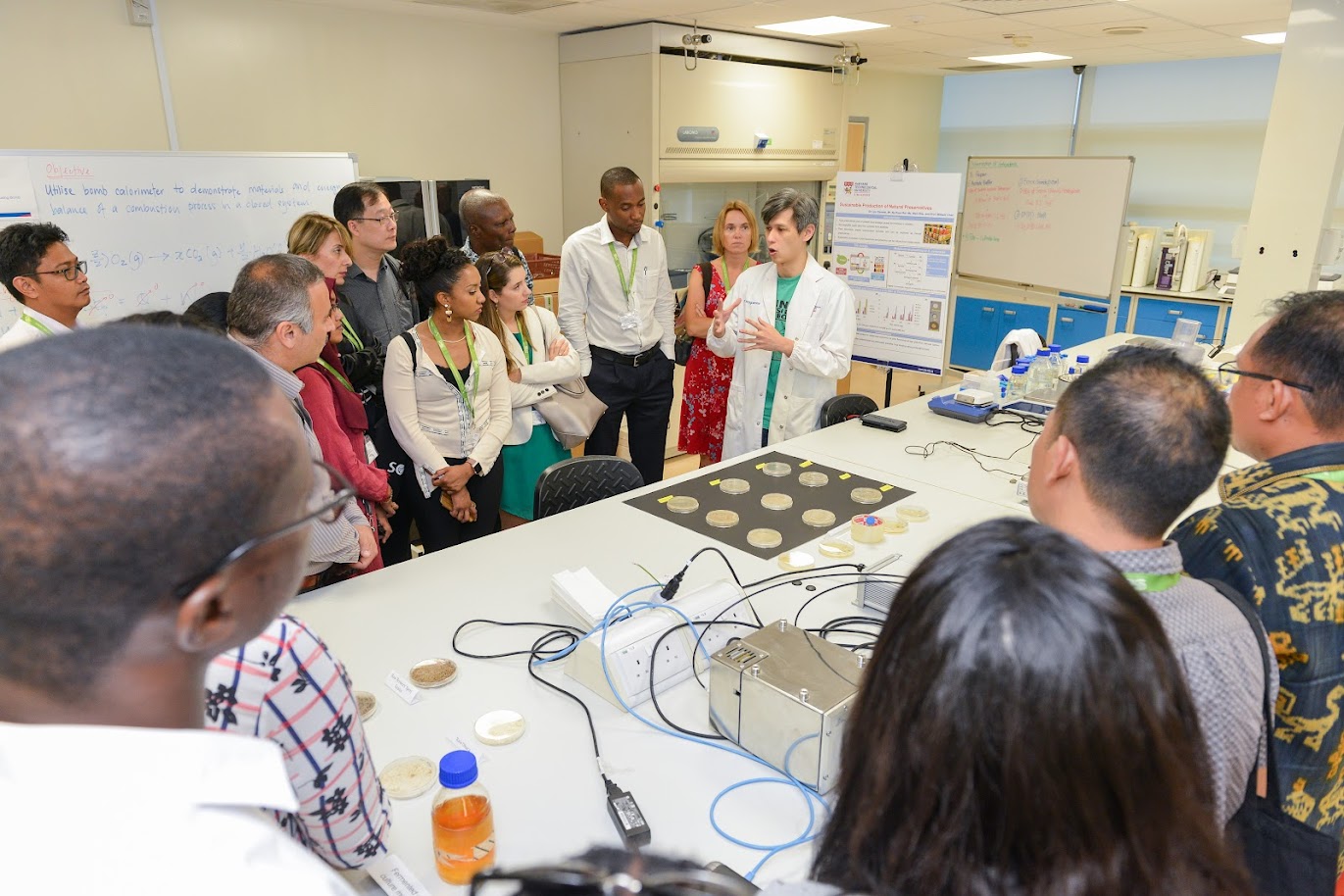
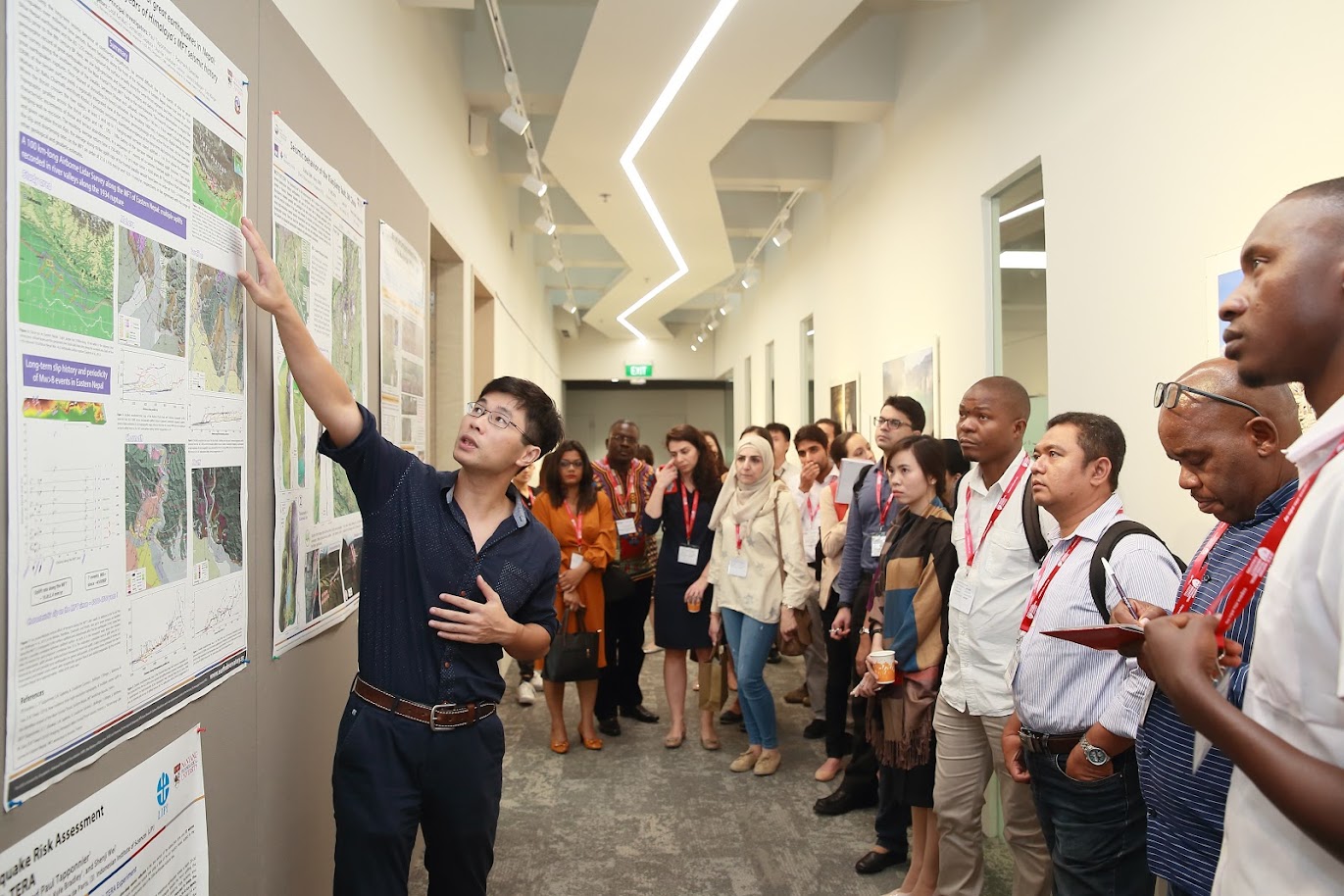
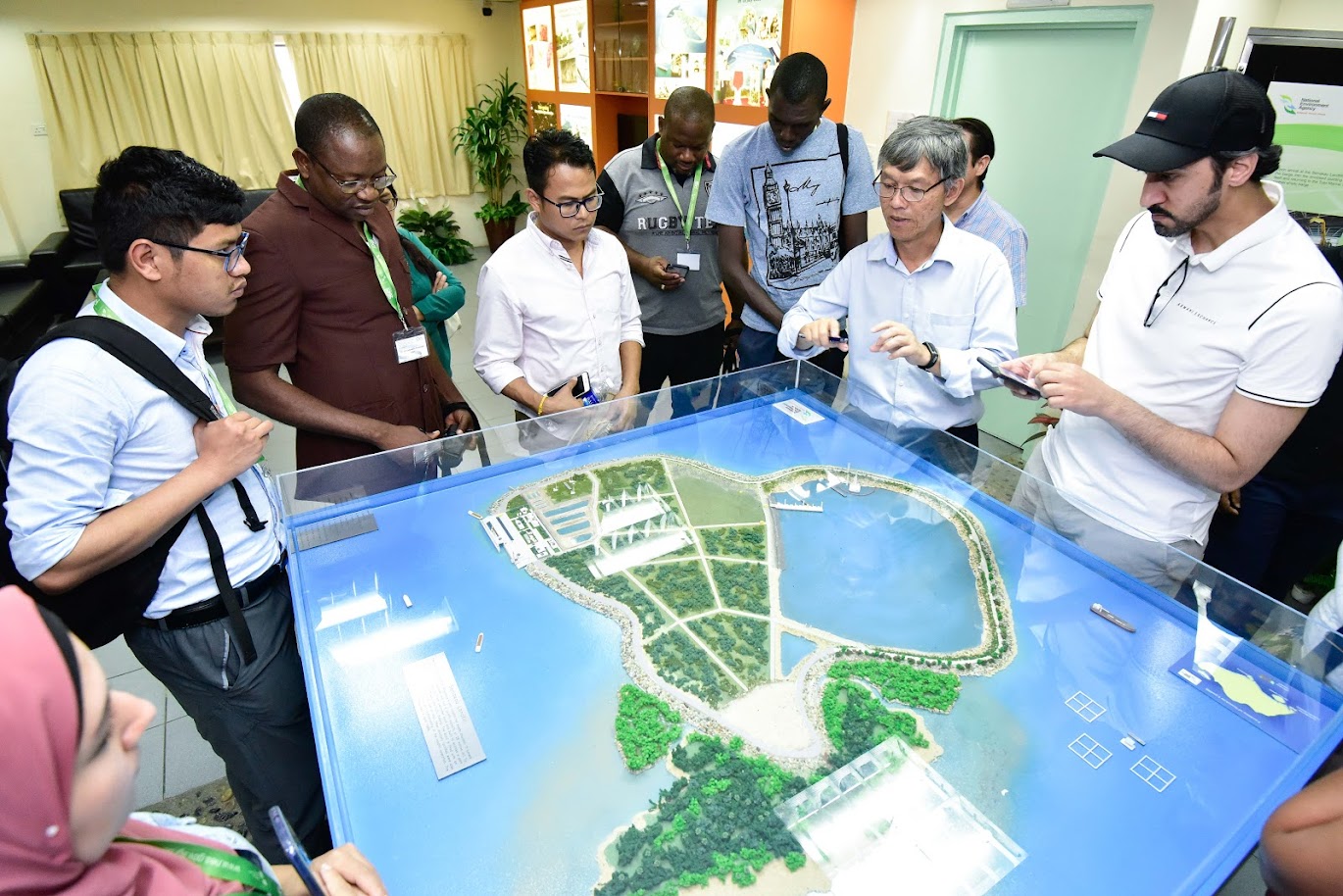
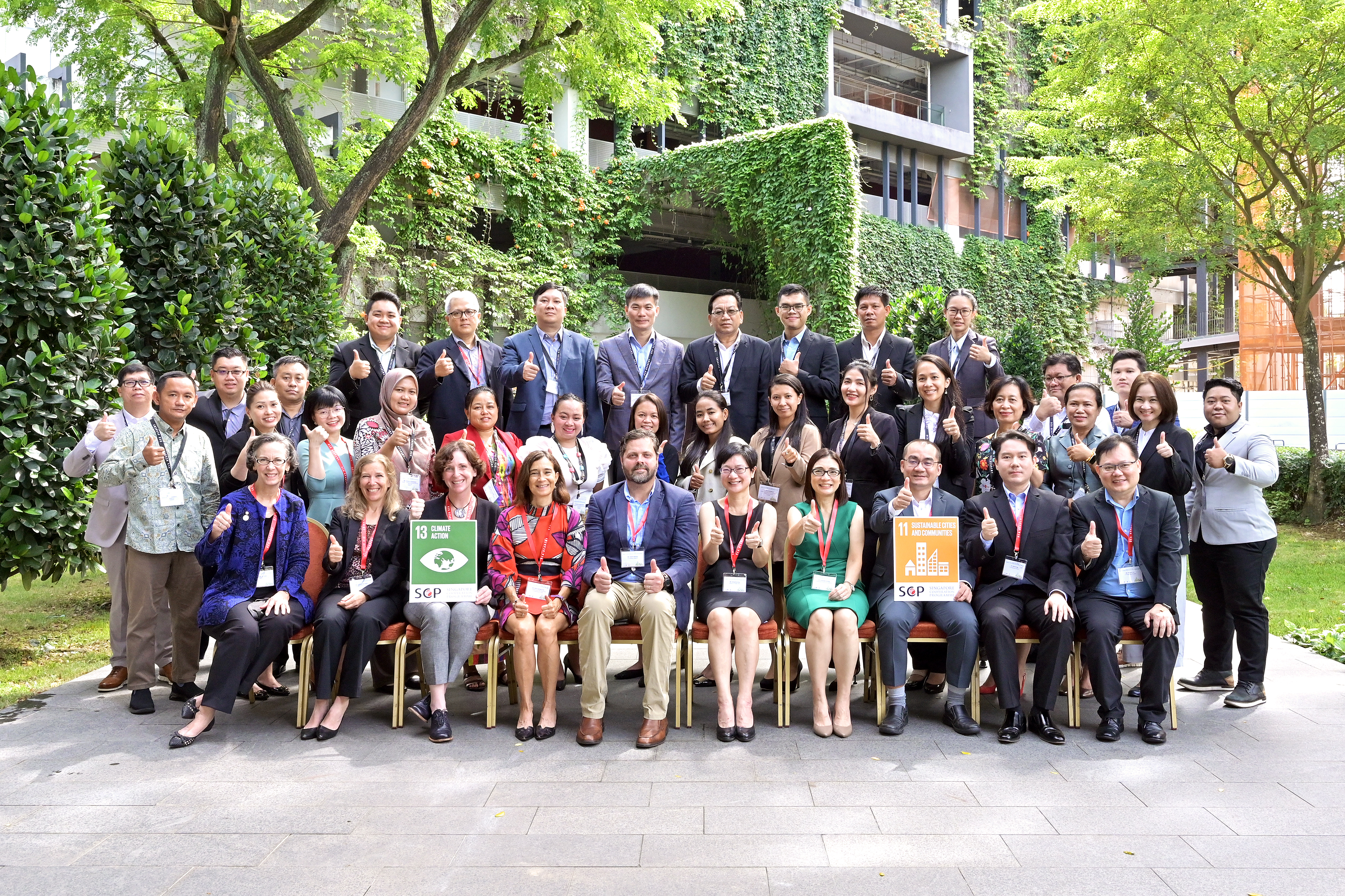
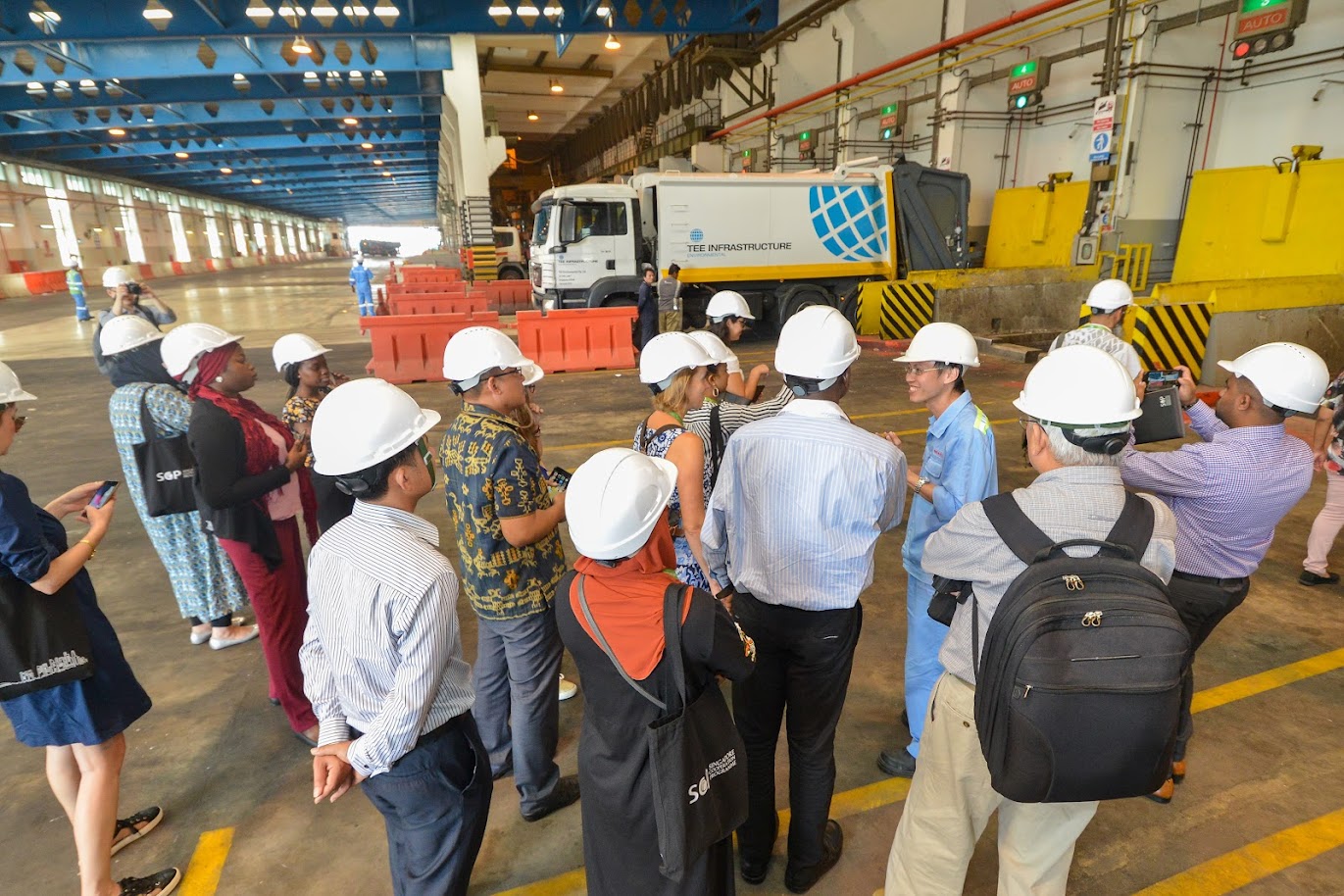
In 2018, Singapore launched the Climate Action Package (CAP) under the Singapore Cooperation Programme (SCP). The CAP aims to build the capacities of fellow developing countries in areas such as climate change mitigation and adaptation strategies, disaster risk management and stormwater management, with a view to helping them fulfil their Paris Agreement pledges. Most CAP courses are conducted in Singapore, sometimes in partnership with other countries and United Nations agencies. The expertise of various Singapore Government agencies are pooled to organize and deliver the programmes, and the course content is jointly curated with United Nations agencies, where applicable. Over 1,100 officials from over 130 countries and territories have attended CAP courses.

Singapore shares its development experiences, best practices, learning points and latest innovations, with fellow developing countries through the SCP. Recognizing that there is no one-size-fits-all approach to achieving the SDGs, participants are encouraged to share their own experiences to enrich the learning experience and to adapt what they have learned to suit their own national circumstances. Outcomes observed from our capacity-building programmes include: a) participants imparting knowledge to people in their network; b) building networks of like-minded people to share best practices; and c) participant requests for follow-up training and workshops, customized for their own countries’ needs. Since 1992, we have hosted close to 150,000 government officials from over 180 countries and territories in SCP programmes.

An example of a CAP-customised course was Singapore’s partnership with the United Nations Office for Disaster Risk Reduction (UNDRR) to run a programme for participating states of the Caribbean Disaster Emergency Management Agency (CDEMA) on ‘Understanding Risk Management and Risk Financing for Disaster Resilience’ in June 2019. This Training of Trainers course sought to enhance cooperation and increase disaster risk-informed development planning, preparedness and recovery in the Caribbean. At the end of the course, UNDRR created a facilitation guide to support participants to replicate the course in their home countries. Given positive feedback, another run of the programme was conducted in February 2022.

Another example of a workshop conducted under the CAP is the ‘Enhancing Nationally Determined Contributions’ workshop that took place in January 2020 in Singapore. The workshop was co-hosted by the NDC Partnership, with support from the United Nations Framework Convention on Climate Change (UNFCCC) Secretariat and the 2050 Pathways Platform. Participants found the workshop to be helpful in guiding their application of agreed UNFCCC reporting guidelines, as well as in the accounting and tracking of the progress of their countries’ nationally determined contributions (NDCs). Furthermore, participants also expressed that the workshop provided an encouraging platform for NDC administrators to share valuable experiences. In the longer term, with sustained participation, workshop attendees can build and develop a cadre of officers oriented towards sustainable development, who could then influence and implement policies to boost collective climate change efforts.

Singapore is constantly looking for opportunities to expand its partnerships with new and existing agencies. For instance, Singapore partners with the United Nations Children’s Fund (UNICEF) to conduct programmes supporting Sustainable Development Goal 6 (Clean Water and Sanitation). In 2019, based on UNICEF’s revised Water, Sanitation and Hygiene mandate, Singapore invited UNICEF to work on the design of a CAP course on ‘Sustainable Integrated Water Resources and Stormwater Management”. The course was conducted in November 2021 and September 2022.  

The CAP was launched as a three-year programme until 2021. But given the strong interest and positive feedback on the courses, it was extended a further two years until 2023. It is this achievement that encourages Singapore to remain committed to strengthening the global partnership for sustainable development through technical assistance initiatives.
Primary SDG
Secondary SDGs
13.1 - Strengthen resilience and adaptive capacity to climate-related hazards and natural disasters in all countries, 13.2 - Integrate climate change measures into national policies, strategies and planning, 13.3 - Improve education, awareness-raising and human and institutional capacity on climate change mitigation, adaptation, impact reduction and early warning, SDG 13.b
CONTACT INFORMATION
Ms. Charis Cheng, Technical Cooperation Officer, Technical Cooperation Directorate, Ministry of Foreign Affairs of Singapore
COUNTRIES INVOLVED
Global
SUPPORTED BY
International organisations such as United Nations Office for Disaster Risk Reduction (UNDRR), United Nations Children’s Fund (UNICEF), UN Environment Programme (UNEP), and United Nations Framework Convention on Climate Change (UNFCCC) and partner countries such as the US and Japan.

Similar Solutions


  • All Post
  • ATCT Featured Publications POM
  • BAPA+40
  • Blog
  • Capacity Development Initiatives
  • CICETE Featured Publications POM
  • CIKD
  • Cities Clusters - Agriculture
  • Cities Clusters - COVID-19
  • Cities Clusters - COVID-19 Knowledge Products
  • Cities Clusters - DRR
  • Cities Clusters - E-commerce
  • Cities Clusters - Tourism
  • Cities Clusters - Tourism Knowledge Products
  • Cities Clusters - Transport
  • Cities Clusters - Waste
  • Cities Project
  • Cities Project COVID-19 Newsletters
  • Cities Project COVID-19 Response
  • Cities Project Knowledge Products
  • Classic (untouched)
  • Climate Action
  • COMSATS Featured Publications POM
  • COMSATS Featured Solutions POM
  • Converted from Divi
  • Converted from Mixed
  • Converted from WPBakery
  • COVID-19
  • COVID-19 Page Featured Solutions
  • DRR Knowledge Products
  • DRR News
  • Empty Post
  • Events
  • Featured Event UN-Habitat POM
  • Financing for Development
  • Financing Mechanisms
  • g7+
  • Gender Events
  • Gender News
  • Good Practices in SSTrC Series
  • Good Practices Publications
  • Good Practices Thematic Series & Special Editions
  • Good Practices Vol. 2
  • Good Practices Vol. 3
  • GSSDC
  • Highlighted
  • Highlighted Publications
  • IAEA Featured Solutions POM
  • IBRAF Featured Publications POM
  • IBSA Fund
  • IBSA Fund Annual Reports
  • IBSA Fund News and Stories
  • IBSA Fund Publication
  • IBSA Fund Story
  • ICGEB Featured Events POM
  • ICGEB Featured Publications POM
  • ICGEB Featured Solutions POM
  • ILO Featured Events POM
  • ILO Featured Publications POM
  • ILO Featured Solutions POM
  • India-UN Development Partnership Fund
  • India-UN Fund Publication
  • India-UN Fund Story
  • IsDB
  • IsDB Featured Publications POM
  • IsDB SCC
  • News
  • Norec Featured Publications POM
  • Norec Featured Solutions POM
  • Peace and Development
  • PGTF Publications
  • PGTF Story
  • PICA Featured News POM
  • PICA Featured Publications POM
  • PICA Featured Solutions POM
  • PIDF Featured Publications POM
  • Publications
  • Regional Updates
  • Research
  • ROK-UNOSSC Facility
  • SGP Featured Publication POM
  • SGP Featured Solutions POM
  • Solution
  • South South in Action
  • South-South Global Thinkers
  • South-South Ideas
  • South-South Ideas Series
  • South-South in Action Series
  • Southern Response to COVID-19
  • SSN4PSI Featured Publications POM
  • SSN4PSI Featured Solutions POM
  • Training
  • UN Day for SSC 2020
  • UN Fund for SSC
  • UN SSC Day Publications
  • UN-Habitat Featured Publications POM
  • UN-HABITAT Featured Solutions POM
  • UNCCT
  • UNEP Featured Publications POM
  • UNFPA
  • UNFSSC Publication
  • UNFSSC Story
  • UNIDO Featured Publications POM
  • UNIDO Featured Solutions POM
  • UNIDO POM Events
  • UNOCT Featured Publications POM
  • UNV
  • UNV Featured Publications POM
  • WB Featured Publications POM
  • WB Featured Solutions POM
  • Webinars
  • WFP Featured Events POM
  • WFP Featured Publication POM
  • WFP Featured Solutions POM
  • WIPO
  • Workshops and Seminars
  • Youth4South
  • z Across the Globe 1
  • z Across the Globe 2
  • z Across the Globe 4
  • z Across the Globe 5
  • z Across the Globe 6
  • z Across the Globe 7
  • z Across the Globe 8
  • z ES BAPA+40
  • z ES Eventos
  • z ES Noticias
  • z ES Noticias Destacadas
  • z ES Publicaciones
  • z ES Publicaciones Destacadas
  • z ES Serie Buenas Prácticas en la CSSyT
  • z ES Serie El Sur-Sur en Acción
  • z FR Actualités
  • z FR BAPA+40
  • z FR Événements
  • z FR Publications
  • z FR Publications en vedette
  • z FR Série Bonnes pratiques en CSST
  • z FR Série Sud-Sud en action
  • z Highlighted News
  • z Photos
  • z Videos
  • z ZH BAPA+40
  • z ZH Events
  • z ZH News

Connect with UNOSSC

Stay updated with the latest trends in South-South cooperation and access our vast repository of knowledge.

Copyright © UNOSSC/UNDP

Alliance Application Form

Submit an Expression of Interest and/or Demand Signal. UNOSSC reviews submissions on a rolling basis.

1. Official name of organization / institution / government entity (exclusions to apply) *
Organization logo
Maximum file size: 20 MB
2. Country *
3. Region *
4. Select relevant SDGs *
5. Partner category *
6. Website *
7. Brief description of your institution (max. 150 words) *
Name for the Lead *
Title for the Lead *
Email address for the Lead *
Name for the co-lead
Title for the co-lead
Email address for the co-lead
Section 3. Expression of Interest in the Alliance *
Additional information on proposed areas of engagement may be requested through the platform following initial review by the Alliance Secretariat.
Section 4. Due Diligence and Integrity Declaration *

Submission Note:

  • Submission of this Expression of Interest form does not automatically confer participation in the Alliance.
  • All submissions will be reviewed by the Alliance Secretariat, including basic eligibility screening and proportionate due diligence, as appropriate.
  • Participation in Alliance activities is determined based on relevance to articulated cooperation needs, alignment with Alliance principles, and integrity considerations.
  • Engagement under the Alliance is voluntary, non-binding, and facilitative in nature, and does not constitute funding approval, contractual commitment, or institutional membership.
  • The Alliance Secretariat may contact submitting entities for additional information or clarification during the review process.

Submission of Demand Form

Description of Demand

Indicate the type of support or cooperation requested through the Alliance.
Please briefly describe the challenge, gap, or priority. (Max. 300 words)

Thematic and Geographic Focus

Please indicate the main focus areas of your demand:

A. Thematic Areas (select up to three)
B. Geographic Focus (select all that apply)

Proposed Engagement Modalities

Please indicate how you would like to engage through the Alliance (select all that apply):

Expected Outcomes

Please indicate the main results you seek to achieve through this engagement. (Max. 200 words)
Examples:
• Capacity strengthened
• Partnerships established
• Sectoral or regional strategies co-developed
• Solutions piloted
• Knowledge generated
• Policies informed

Timeline and Readiness (if applicable)

1. Expected timeframe for engagement:
2. Current stage:

Additional Information

Please provide any additional information, documents, or links relevant to this submission.
(Max. 200 words or upload link)

Submission of Offer Form

Description of Contribution

Indicate the type of contribution your institution can provide and describe the expertise, resources, or solutions you may offer.
Please briefly describe your proposed contribution. (Max. 300 words)

Thematic and Geographic Focus

Please indicate the main focus areas of your interest:

A. Thematic Areas (select up to three)
B. Geographic Focus (select all that apply)

Proposed Engagement Modalities

Please indicate how you would like to engage through the Alliance (select all that apply):

Expected Outcomes

Please indicate the main results you aim to achieve through this engagement. (Max. 200 words)
Examples:
• Capacity strengthened
• Partnerships established
• Sectoral or regional strategies co-developed
• Solutions piloted
• Knowledge generated
• Policies informed

Timeline and Readiness (if applicable)

1. Expected timeframe for engagement:
2. Current stage:

Additional Information

Please provide any additional information, documents, or links relevant to this submission.
(Max. 200 words or upload link)

Organization Registration

Authentication & Due Diligence This prototype simulates identity verification, due diligence confirmation, and an authentication step before submission. *

First Name *
Last Name *
Email address *
Password *
Confirm Password *
Name of institution / organization *
Country / Region *
Organization Type *
Organization other *
Function / role *
Organization logo *
Maximum file size: 1 GB

Login

Login / email *
Password *
Remember me

Forgot password?

Connect form

Your name *
Email *
Organization / institution *
Job title / role *
Reason for connecting:
Short message

Create Meeting Room

Purpose:
Use this form to create a virtual meeting room to consult with experts and partners on specific thematic areas. A coordinator will confirm expert availability and meeting details.

Mandatory Information

Meeting purpose / consultation topic *
Type of meeting *
Main thematic area *
SDG (select multiple)
Expert(s) requested from roster
Brief description of discussion *

Preferred meeting date(s) (up to 3)

Date 1
Date 2
Date 3
Preferred time window *
Time zone *
Requesting institution / organization *

Contact person

Name *
Email *

Optional Information

Related Galaxy item
Urgency level *
Preferred language(s)
Other participants to invite
Additional notes
Scroll to Top